🎶 WHAT EVERY HUMAN DOES · 01
Everybody Sings
Music turns up in every society anyone has written down — and strangers can tell what a song is for by the sound of it alone.
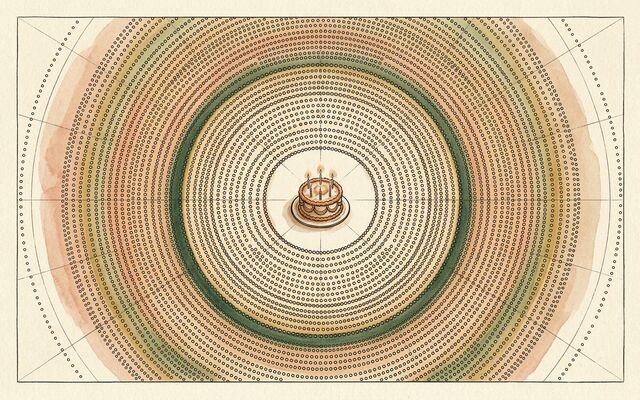
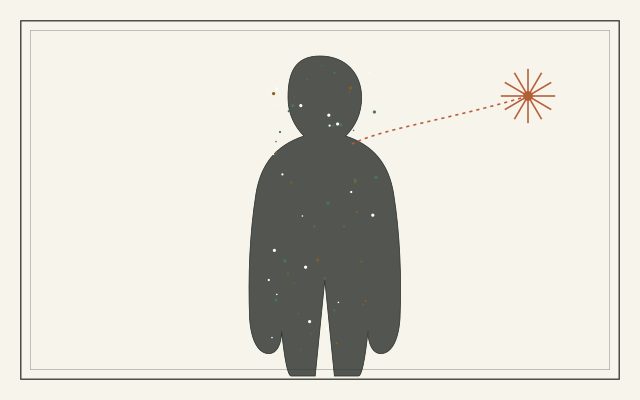
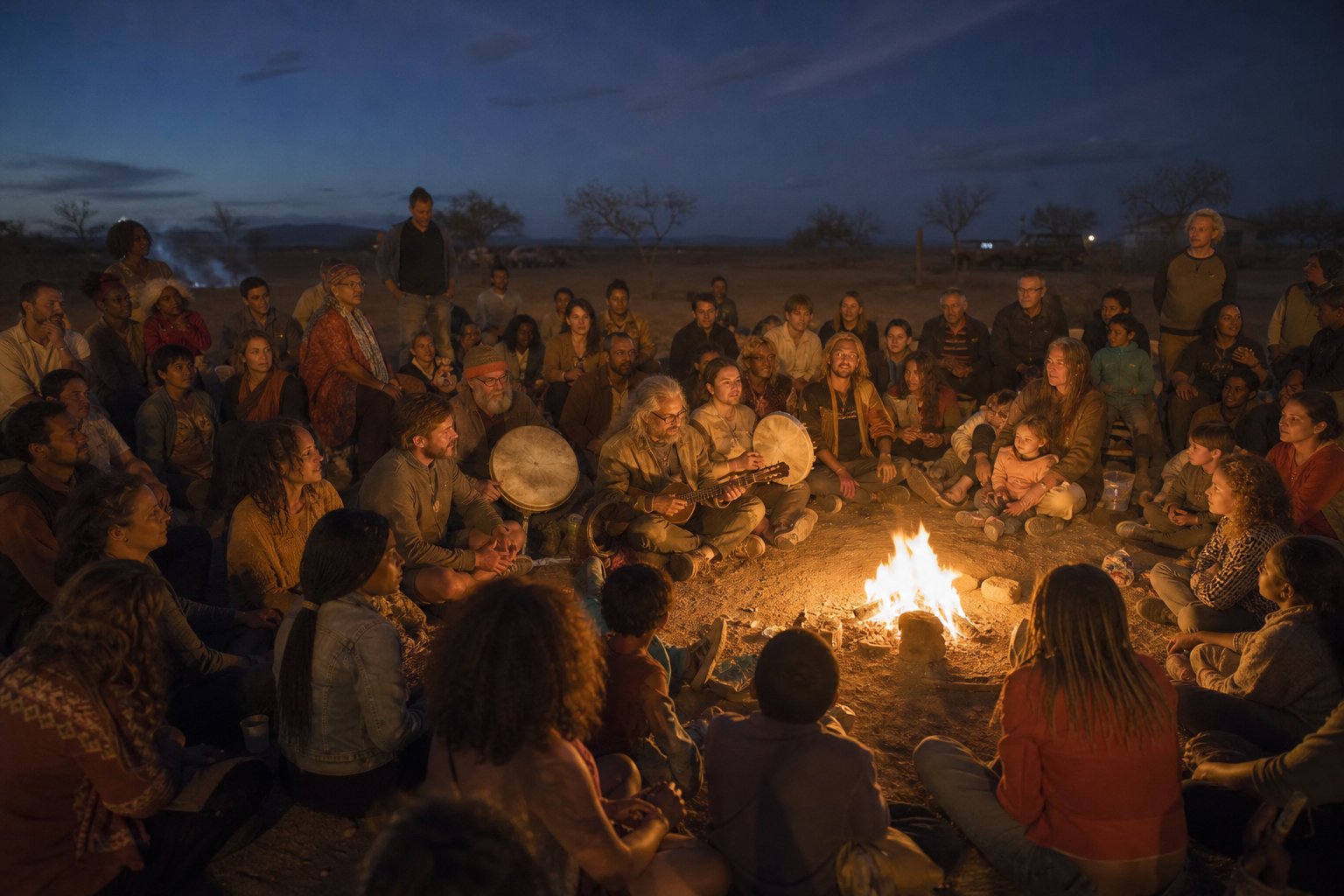
In 2019 a team of musicians, data scientists and anthropologists finished a five-year census of human song. They read the ethnography of every society in the Human Relations Area Files probability sample — 315 of them — and then hunted down actual recordings. Music was in all 315. Not most. All.
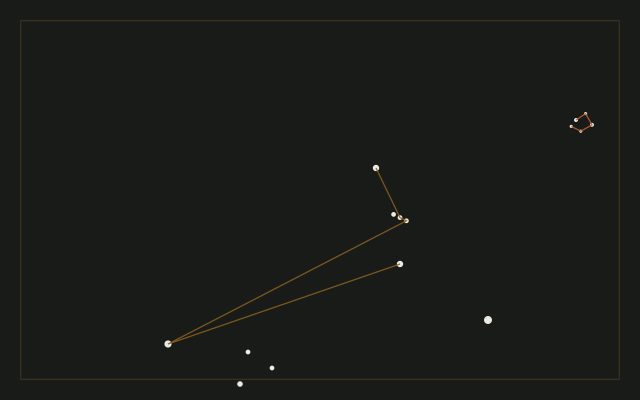
One dot per society in the Natural History of Song ethnography corpus — a geographically stratified sample of the world’s societies, mostly small-scale. Every dot lit, because every society’s ethnography describes music. A single unlit dot would be a counter-example to the universality claim. There isn’t one.
What actually varies between songs
The team reduced thousands of annotated song events to three dimensions. Together they account for a real but partial share of the variation — the rest is unlabelled, and the chart says so rather than implying three numbers explain world music.
Four kinds of song, found in nearly every region
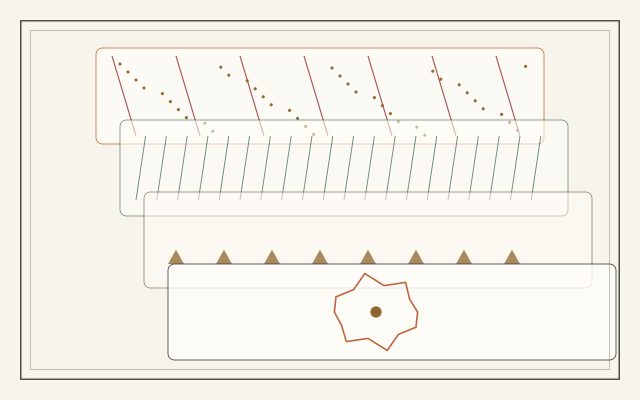
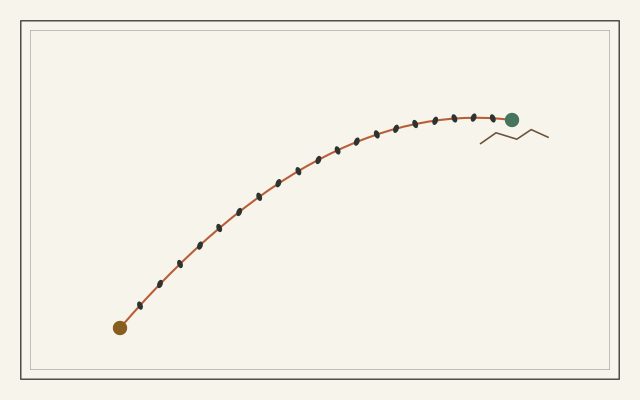
Lullabies, healing songs, dance songs and love songs. Pick one to read what the paper says about it, and see where it sits by tempo and pitch range.
The positions on this chart are directions taken from the paper’s own descriptions — slower or faster, narrower or wider — not measured values. The study reports the association between form and function; it does not publish a tempo figure per song type, so none is drawn here.
Your neighbours vary more than your continent does
Comparing musical behaviour the way geneticists compare populations: typical variation within a society is roughly six times the variation between societies.
What the census found
Where this is argued about
The universality of music is well supported. What it means, and whether four song types are the right frame, are live disputes — including one from a co-author of the paper.